
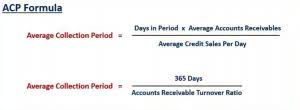
Ledger accounts need to be updated based on the received bills and an expense entry is usually required. Managerial approval might be required at this stage with the approval hierarchy attached to the bill value. This method ensures that all transactions are properly tracked and the company’s financial position is accurately represented. By subtracting the DPO from DIO (how long it takes to clear inventory) and DSO(how long it takes to collect from customers), the CCC provides an overview of how well a company manages its working capital.
Accurate
- Days Payable Outstanding is the average number of days a company takes to pay its bills.
- Properly managing accounts payable helps maintain a company’s cash flow and financial stability.
- These insights aid in budgeting, expense forecasting, and resource allocation to achieve financial goals.
- Proper double-entry bookkeeping requires that there must always be an offsetting debit and credit for all entries made into the general ledger.
- However, it is crucial to balance the benefits of early payment with the company’s cash flow needs.
- This requires careful planning and forecasting to ensure that cash flow remains stable, even during periods of high expenditure.
If AP is increasing, this suggests the company is buying more goods or services on credit rather than cash payments. Declining AP indicates that the business is clearing past obligations faster than it takes on new credit purchases. The effective management of AP is essential so that a company has enough to pay its bills and has a stable cash flow.
Structure of an Accounts Payable Department
Discover how Shell’s technical leadership and long standing relationships with OEMs enables customers across all sectors to achieve their ambitions, no matter how big or small. Accounts Payable organizes and maintains vendor contact information, payment terms, and Internal Revenue Service W-9 information either manually or using a computer database. Larger businesses or any business that requires staff to travel may have their AP department manage their travel expenses.
Accounts payable vs. accounts receivable
Accounts payable has an important role to play in the calculation of total capital available that can be utilized for a company’s routine operations. As such, most AP amounts are small, where the general recipients include vendors, subcontractors and suppliers. And as the nature of transactions is low volume and assumed to be low risk, most organizations tend to keep accounts payable paper-based or within legacy software.
- Although manual AP processes are less costly, they can result in errors and require significant time.
- Southport Truck Group is an authorized Freightliner, Western Star, and Tico Terminal Tractor dealership serving Southwest Florida.
- If you have specific invoice inquiries, having your account details ready will help expedite the process.
- AP often handles a supply of sales tax exemption certificates issued to managers to ensure qualifying business purchases don’t include sales tax expenses.
- Companies should also regularly review their vendor relationships to identify opportunities for cost savings and improved procurement strategies.
Related Accounts Payable Articles
- The restaurant can then use those supplies to generate revenue (e.g., by selling meals to patrons) before the payment is due.
- While every organization faces unique obstacles, the good news is that most AP challenges have proven solutions that deliver real results.
- In accounting from the University of Miami and his M.B.A. in finance from Drexel University in Philadelphia.
- The best AP automation software changes how finance teams handle vendor payments by handling the repetitive, time-consuming tasks that once ate up entire workdays.
- Ramp Bill Pay is an AI-powered AP automation software designed to simplify the toughest AP challenges.
Additionally, you’ll need to stay up-to-date on financial trends and regulations to ensure compliance and keep https://www.bookstime.com/ your operations running smoothly. From collecting invoices, verifying accuracy, and filing payments in a timely manner, the A/P contact plays a key role in the success of a business. Keeping accurate accounts payable records is essential to managing the company’s cash flow and producing accurate financial statements. Timely payments are essential for maintaining good relationships with suppliers and ensuring that the company continues to receive favorable credit terms, as reflected by its accounts payable turnover. Companies may choose to take advantage of early payment discounts offered by suppliers, which can provide significant cost savings. However, it is crucial to balance the benefits of early payment with the company’s cash flow needs.

The importance and challenges of AP management
Accounts payable professionals have a wide range of responsibilities, including verifying invoices, managing vendor relationships, ensuring timely payments, and maintaining accurate financial records. They play a key role in cash flow management, helping organizations avoid late fees, maintain good supplier relationships, and keep their financial operations running smoothly. double declining balance depreciation method By choosing to automate your payables, businesses can further streamline these tasks, reduce manual errors, and improve overall efficiency. Accounts Payable (AP) refers to the amount of money a company owes its suppliers for goods and services that have been delivered but not yet paid for.
- The accounts payable process is essential for managing a company’s cash flow, ensuring that it can meet its obligations while maintaining operational efficiency.
- Accounts payable departments must adhere to various financial regulations and standards, which can vary by industry and location.
- By analyzing payment patterns and vendor relationships, businesses can identify opportunities for cost savings, negotiate better terms, and streamline their procurement processes.
- By contrast, a low accounts payable turnover ratio means there is more time from receiving an invoice to the time payment is made.
- Accounts payable professionals have a wide range of responsibilities, including verifying invoices, managing vendor relationships, ensuring timely payments, and maintaining accurate financial records.
- One employee may have one way of doing things, while another may do the same tasks differently.
It fastens invoice processing, ensures timely payments, and provides better visibility into payment progress. This leads to improved efficiency, cost savings, and stronger vendor relationships. An important part of accounts payable’s role is to ensure that robust internal controls are in place to avoid errors, such as duplicated payments or incorrect sums being paid. In conclusion, accounts payable is a fundamental aspect of financial management that requires careful attention and strategic planning.
Software
It includes a collection of short-term credits extended by vendors and creditors for goods and services a business receives. AP appears in a company’s financial statements on the balance sheet under current liabilities. Because AP represents obligations due within one year, what does accounts payable mean it is a handy indicator of a company’s short-term liquidity and working capital. If not managed carefully, a growing AP balance could signal potential cash flow problems or indicate that the company is relying too heavily on supplier credit.